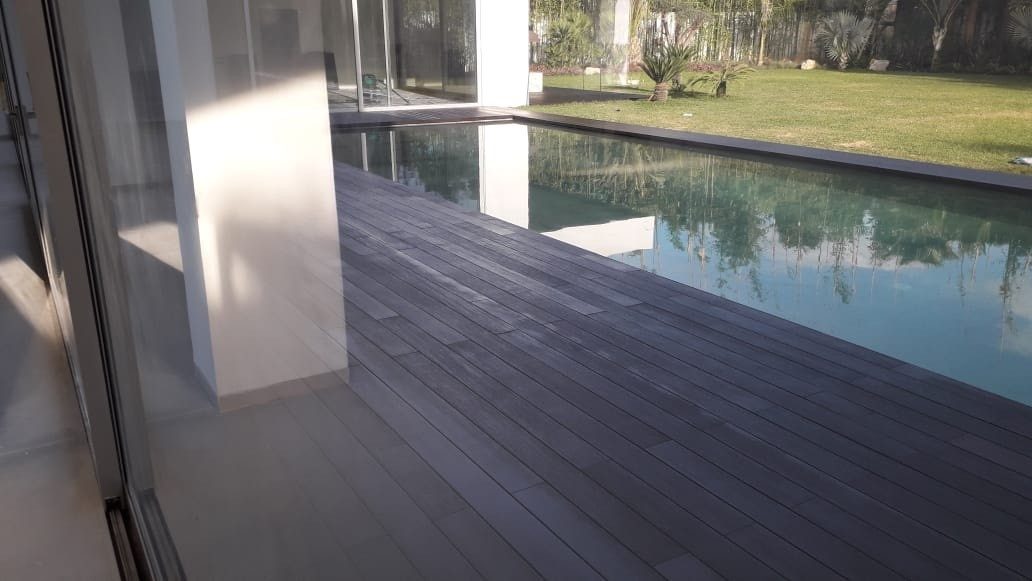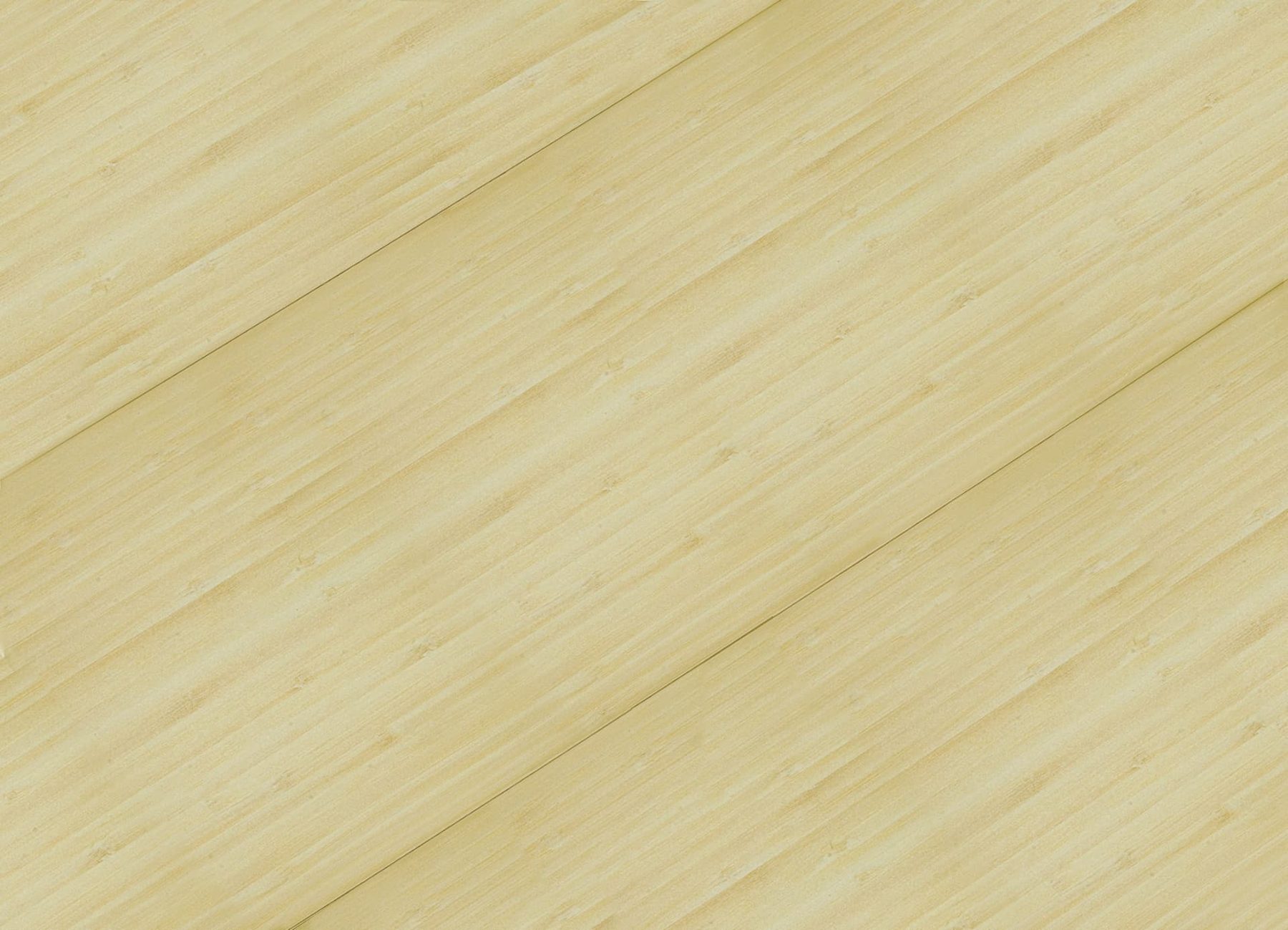
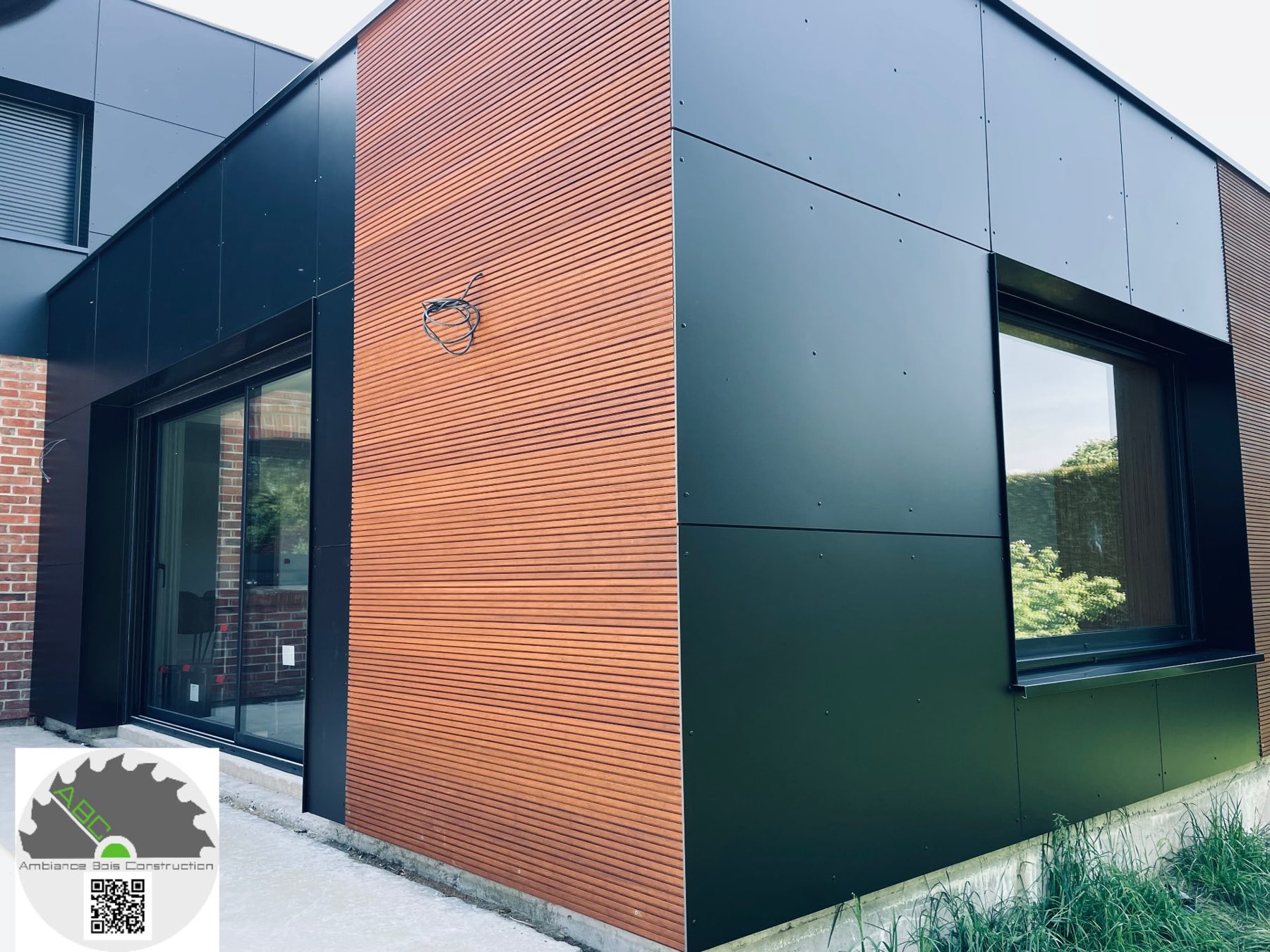
Cladding refers to the exterior covering of a home, where it can act as a second layer simply applied to the building's façade. There are two types of cladding: traditional wood cladding and composite (or synthetic) cladding, an assembly of boards or panels made from materials of various origins. ootouch offers an alternative to wood cladding, whose industry is devastating, with a collection of solid bamboo cladding.
Point of attention no. 1: avoiding warping through good ventilation
While cladding is often installed to beautify the façade on which it is fitted, we must not forget its primary function, which is to protect the insulation and structure of the building. With the help of an article from the Maconstruction.be website, ootouch reminds you of certain points that deserve your full attention so that your cladding remains in perfect condition, fully fulfilling its protective role.
Bamboo for your home: guaranteed love at first sight!
The passage of time and the assaults of the weather have an impact on cladding, and can cause twisting deformation of its components. These are, however, avoidable thanks to good ventilation between the air gap, which separates the cladding from the insulation, and the breather membrane, a flexible or rigid membrane placed against the façade. To avoid excessive disruption between the two sides of the cladding, this ventilation is not merely necessary, it is essential!
Good ventilation of your cladding greatly reduces the risk of moisture that bad weather could cause. It is therefore advisable to leave a small gap of around fifteen millimetres, which nevertheless depends on each manufacturer. If you install the cladding yourself, be sure to follow the manufacturer's instructions for optimal installation.
As with a traditional stone façade, the ageing of the cladding will be influenced by exposure to the weather, sun, rain, etc. The side that is more exposed will age faster than the protected façades. This is therefore an entirely natural process.
Point of attention no. 2: respecting the installation direction of the battens
When they are made, the slats of your cladding are designed with a specific orientation that is important to respect: horizontal for vertical cladding and, conversely, vertical for horizontal cladding. It is important to respect the direction of each type of cladding to avoid poor application or, worse, the appearance of problems linked to water runoff.
For optimal drainage of water that might reach the breather membrane, in the event of rain for example, and if your slats have been installed horizontally, we recommend installing vertical counter-battens, which will help the water run off to its drainage point.
Point of attention no. 3: coordinating your cladding with your window and door frames
While cladding insulates and protects, it is also often installed for its aesthetic appeal. This means you will need to think carefully about the cladding you install, so that it coordinates perfectly with your existing doors and windows.
The parts of your façade with the greatest weaknesses are the openings in the walls that house the various frames, which can cause insulation and watertightness problems if they are not well assembled. If the cladding is installed at the same time as the frames, the cladding installer and the frame installer will need to coordinate to ensure both low and high ventilation, which will position the cladding correctly in relation to the side ears of the sills. This will ensure continuity between the joints of the frames and the cladding, as well as the fixing of the breather membrane around the frames.
Point of attention no. 4: improving insulation with the breather membrane
If there is one side of the cladding that will bear the brunt of the weather and the passage of time, it is certainly the bottom: runoff and splashes of water and mud could affect the cladding's resistance. Thanks to regular maintenance, you will avoid losing the cladding's aesthetic appeal, while also reducing its impact on your façade's insulation.
As you will have understood from reading our previous three points of attention, the breather membrane is essential to protect your cladding and your façade from water. By insulating your cladding with a flexible membrane or a rigid panel of compressed fibres, your new covering will be sheltered from rain and wind, ensuring the necessary overlaps are in place to guarantee long-lasting watertightness.
Take care to properly finish off the breather membrane at the base of the wall, to guarantee optimal water evacuation towards the outside of the building; a precise cut and regular installation must be ensured for this.
Point of attention no. 5: listen to ootouch's advice!
To install your cladding correctly and safely, make sure you surround yourself with professionals. At ootouch, we have been offering an ecological alternative to the timber industry for almost 20 years. Our goal is simple: to highlight bamboo, an ecological, 100% recyclable and bio-based alternative.
Our bamboo cladding, decking and flooring will bring a warm, natural and restful feel wherever they are installed, whether in your indoor or outdoor spaces. Finding it hard to picture your façade with cladding? Try our RoomVisualizer, our smartphone and tablet tool that helps you picture your façades, indoor rooms and outdoor spaces in bamboo!