Bamboo is only good as food for pandas. If you've heard this phrase somewhere before, it's not by chance — it's one of the most widespread misconceptions about bamboo worldwide. Take a moment, with ootouch, to unpack your beliefs about bamboo and break down clichés that still linger. After all, the benefits of bamboo can be found in many different fields!
Bamboo is an invasive plant
True... and false. Among the many preconceived ideas about bamboo, one that comes up regularly is bamboo's tendency to invade its environment. Both above ground and underground, it is true that bamboo can take up a lot of space, but this largely depends on the species of bamboo in question.
Indeed, there are two types of bamboo sold in shops for individuals or businesses. A distinction is made between "running" bamboos and "clumping" bamboos. The former come from temperate regions, while the latter grow at high altitude and in tropical areas.
"Running" bamboos have a very invasive root system capable of causing damage wherever their roots take hold. These can root up to 50 cm deep and require the installation of rhizome barriers to delimit their space. "Clumping" bamboos are much less invasive, thanks to their hollow stems, also called "culms", which form a compact clump that will thicken over time without spreading.
While some bamboo species tend to dominate other plantings, this does not mean they must be kept separate from other plant species. Very often, in nature, bamboo coexists with many species of plants and trees. Nature is well designed, isn't it!
Bamboo only works with zen decor
False, false and false again! Bamboo is a material that pairs perfectly with all decorating styles: modern, retro, zen, minimalist, contemporary, industrial, Scandinavian... We could name them all. Even though it is true that bamboo carries a certain zen and relaxing connotation, giving a natural look to every place where it is installed, be careful not to get stuck on this image.
The thousand and one uses of bamboo at home
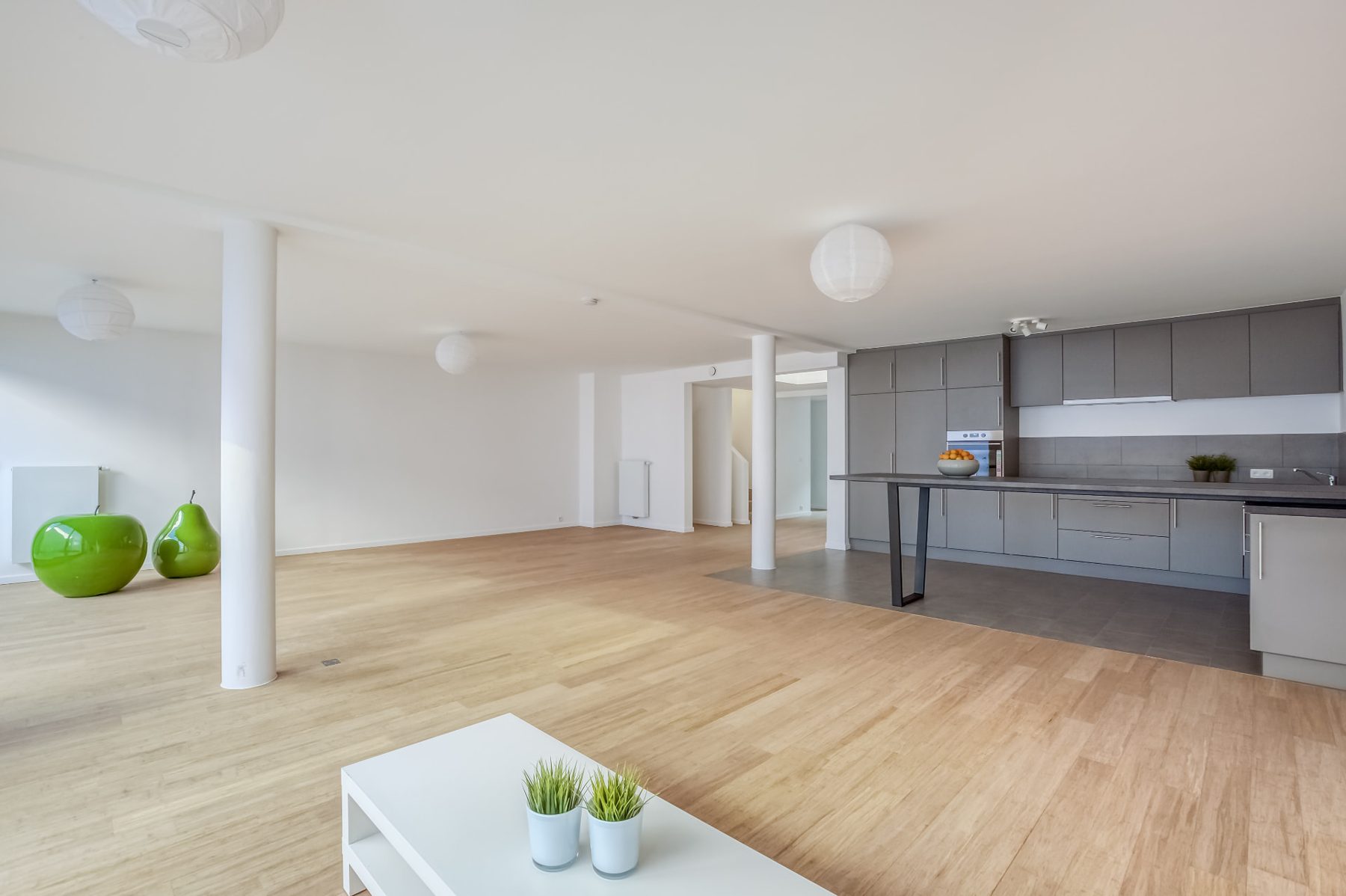
Over time, bamboo has become a very serious alternative to the timber industry. It can thus replace furniture and decorations made of oak, pine or any other forest species. Bamboo is perfect if you like mixing styles: a very industrial decor can be enhanced by adding bamboo flooring; a Scandinavian interior can pair perfectly with a wall decoration, in Champagne or Caramel colour, in bamboo panelling.
Bamboo is extremely strong
True, bamboo is one of the most resistant materials in construction. Whether used indoors or outdoors, but also for finishes or decoration, bamboo is an ideal natural material to replace wood. At ootouch, we have even created a flooring range that is even harder and more resistant than classic products: BamWood.
According to the Brinell hardness test, which measures the hardness of a material by compressing a steel ball onto the tested material, bamboo achieves a score of 4.0 for classic bamboo (horizontal and vertical) and 8.0 for the BamWood range. Oak and beech achieve "only" 3.8.
Bamboo also has a higher resistance than its wood competitors. Its tensile strength is 40 kp/mm², well above other classic wood species. Even better, bamboo surpasses steel, which only withstands 37 kp/mm². When we tell you bamboo is incredibly strong!
There is only one type of bamboo
False, as mentioned above, there is "running" bamboo and "clumping" bamboo, but that is not all. Bamboo, like all plants, comes in different forms in nature. There are therefore running and non-running varieties, those that grow in pots and those that require planting in the ground, decorative bamboos, those that can serve as garden hedges or those that are useful in flower beds and/or groves. Around the world, there are nearly 1,500 identified species of bamboo.
Bamboo only grows in China
While it is true that a large proportion of bamboo species grow in China, bamboo is also found in other Asian countries, such as Japan, Indonesia, India or the Philippines. While around 600 species grow on the Asian continent, bamboo is also present in South America, notably Guadua found in the tropical regions of Colombia and Ecuador, in Africa, especially in Madagascar, and even in northern Australia!
In Europe, the presence of bamboo is not at all natural. For several decades, bamboo groves have been springing up, especially in Eastern Europe, but also closer to home in France, planted by humans to meet growing demand from European consumers.
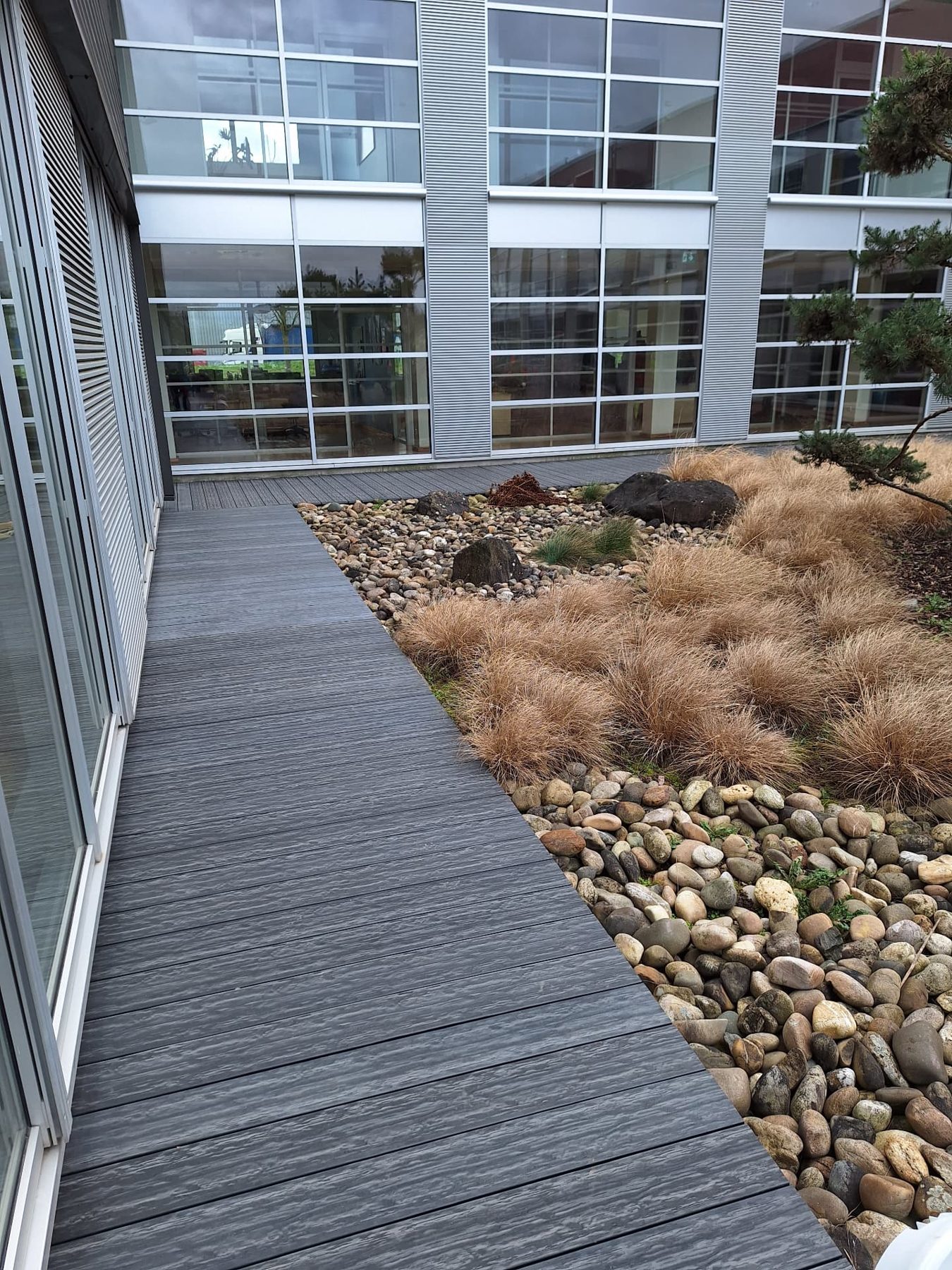
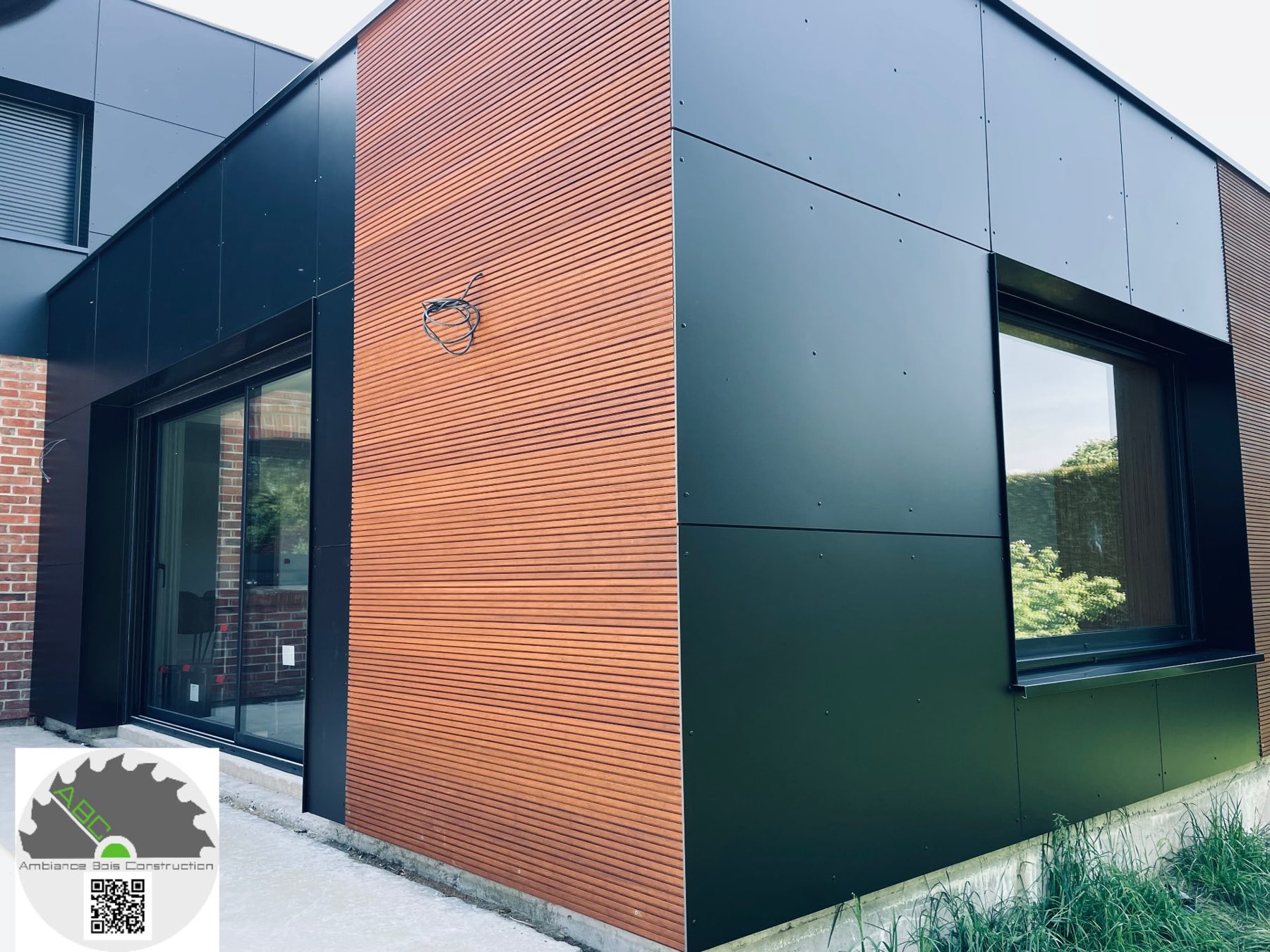
ootouch has been a distributor of bamboo-made products for almost 20 years. We offer you a serious, sustainable and ecological alternative to the timber industry. Would you like to discover our bamboo-made products? Head quickly to the "Our products" page to discover our bamboo flooring, decking, panels and cladding!